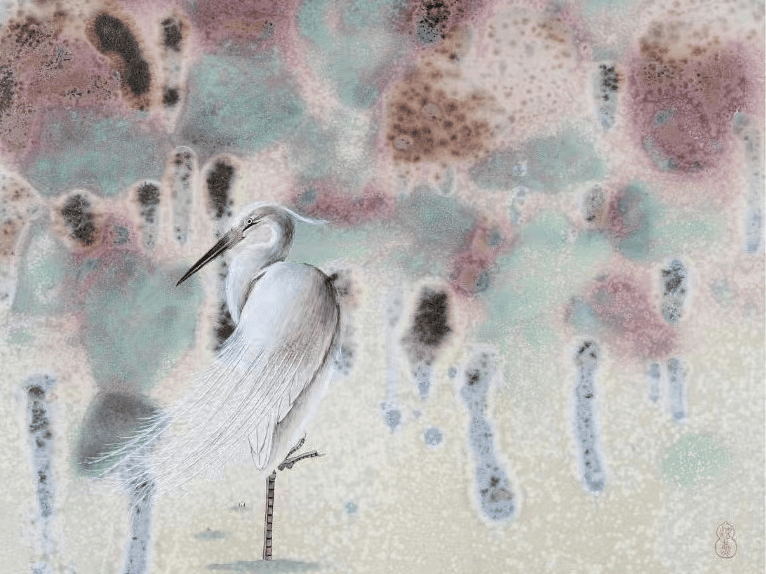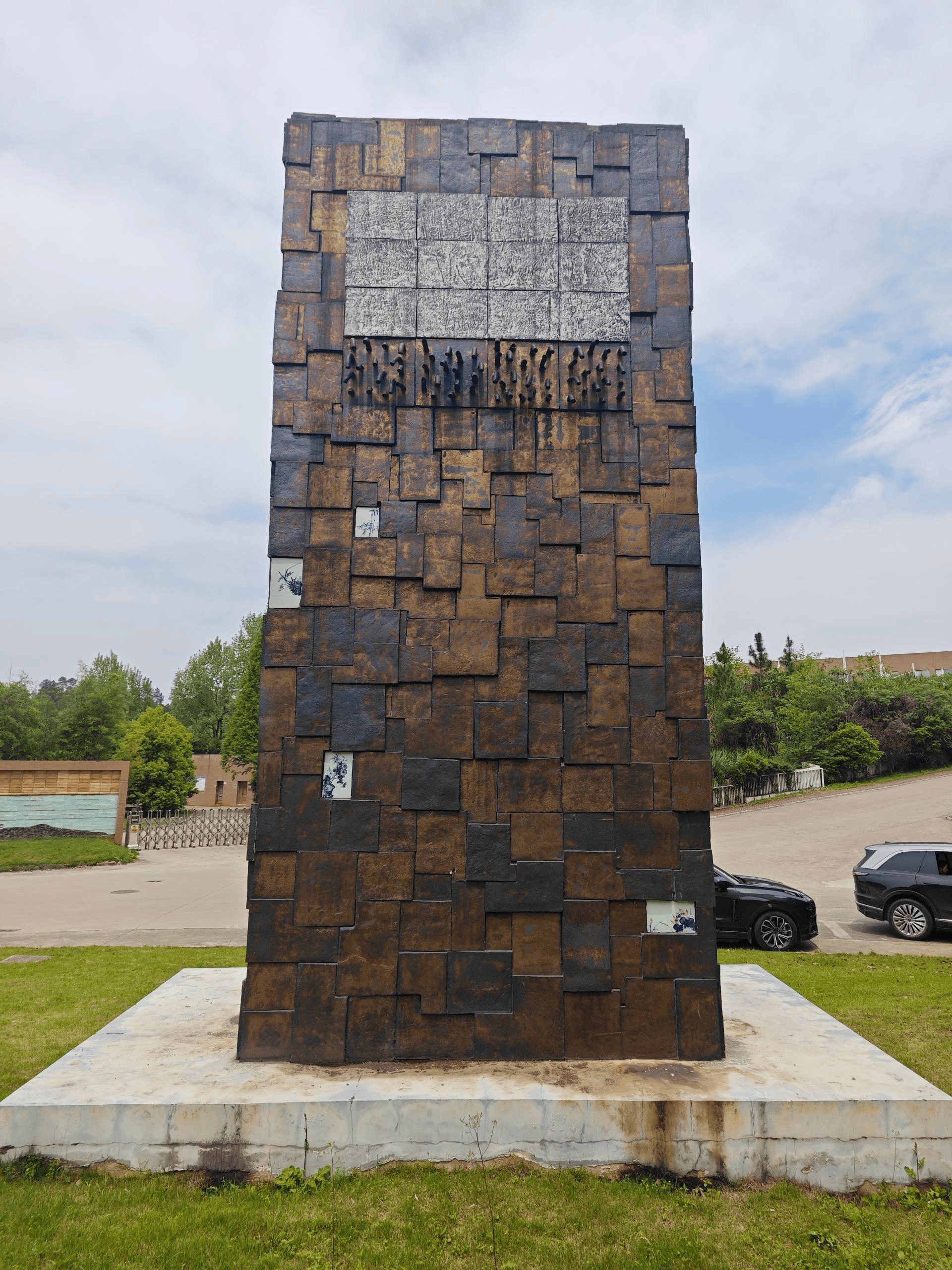
Pottery figure illustrates a outstanding discipline class with a extensive tradition, traveling back countless of eras. From ancient urns to present-day showcases, the medium offers unequalled possibilities for creative performance. Creators apply distinct techniques – including fabricating, wheel spinning, and complex firing processes – to fashion humble loam into beautiful three-dimensional creations. The endurance of fired terracotta also contributes to its status as a truly consequential part of human history.
Researching Ceramic Marker Arrangements and Practices
The landscape of ceramic emblem design offers a vast array of artistic possibilities. Craftsmen often engage a variety of traditional and contemporary techniques to form visually beautiful pieces. These can cover from simple, engraved reliefs to complex, multi-layered designs. Typical methods include shape forming, sculpting by hand, coating application – which can involve diverse modes like underglaze painting, post-firing embellishment, and engraved motif where designs are disclosed by taking away a layer of coating. Additional investigation into outer appearances such as raku and lustre decoration can produce truly unique and bespoken terracotta signs.
- Pattern Casting - Constructing pieces using a pattern
- Sculpting by hand - Directly shaping the terracotta
- Surface Finishing - Layering the face with a glass-like finish
- Scraped detail - Showing designs by abrading coatings
Fascinating Experiences: Stoneware Art Presentations
The developing landscape of imagination presents exciting contemporary avenues for participants, and ceramic art installations are at the forefront of this progression. These aren't just static objects; they are crafted to envelop the audience member in a sensory setting. Imagine stepping into a forest of towering, finished ceramic trees, or navigating a web of delicate ceramic vessels. Many artisans are now incorporating music, luminescence, and even odor to enhance the sensation of their work. Reflect on the power of a room filled with hundreds of uniquely ceramic artifacts, each telling a account. Traditionally, such installations examine themes of flora and fauna, remembrance, and the collective.
- The aforementioned installations blur the lines between craft and architecture.
- Participating in a ceramic art installation can be a deeply intimate journey.
- Craftsmen are pushing the frontiers of what is possible with clay.
One Beauty of the Pottery Vessel: Role and Configuration
The earthenware holder represents a remarkable integration of effectiveness and visual appeal. Historically, these jars served a simple purpose in preserving liquids, but their growth has transformed them into highly valued works of craftsmanship. Each item showcases the ability of the builder, demonstrating how shape can be as vital as service. The deliberate shaping, the exceptional glazes, and the comprehensive presence of a well-made container can upgrade a space, offering both allure and a subtle reminder of the craftsman’s hand.
Recent Ceramic Form : Stretching Margins
State-of-the-art pottery form represents a fascinating transition from time-honored practices. Builders are actively pushing with original strategies, overlapping the separations between sculpture and other creative fields. From grand installations to precise miniature pieces, mentioned works scrutinize themes of background while concomitantly redefining the very of what clay can represent. The outcome is a exciting world of imaginative representation.
Earthenware Marker: Protecting Past in Earth
Clay plaques offer a remarkable method for memorializing significant events and figures. Compared to traditional metal or stone markers, these long-lasting pieces of art are formed from fired clay, creating a substantial link to the olden times. Traditionally, they exhibit intricate etchings or carefully illustrated imagery, conveying stories that Jingdezhen Ceramics might otherwise be overlooked. This technique, dating back ancient societies, provides a visually appealing and lasting way to respect our collective heritage.
- The aforementioned can be positioned in communal spaces.
- Many are now recognized historical heirlooms.
Earthenware Art Displays: Modifying Settings
Earthenware art installations are growing a meaningful medium for makers to redefine public and private locations. These immersive projects frequently involve massive clay forms that attract viewers, transforming their understanding of the developed environment. By applying diverse methods like fabricated molding and detailed firing processes, ceramic artists assemble truly exceptional experiences, blurring the edges between art and location. The effect is often a stirring metamorphosis that elevates the decorative quality of the place and stimulates conversation.
Inception Spinning Device to Delight: The Technique of the Stoneware Container
The journey of a ceramic jar from a simple lump of clay to a elegant work of composition is a testament to human creativity. Customarily, the process starts with the potter’s spin wheel, where the skilled artisan builds the circling material into a cylindrical configuration. This first period demands skilfulness and a trained eye, followed by a delicate strengthening period. Once partially baked, the jar is ready for detail work, which may feature coating intricate elements, etching detailed depictions, or executing a selection of enamels. The closing baking process then modifies the product into a durable and beautiful container, a tangible expression of the builder's vision.
Working with Stoneware: A Primer to Brick Craft
Investigating the area of porcelain art begins with grasping the principles of crafting with porcelain. One process entails meticulously applying and excising stuff to generate three-dimensional objects. Whether you're a novice or a skilled artisan, testing with distinct classes of terracotta – specifically pottery – will advance you identify your idiosyncratic expression. After all, brick forming is a valuable undertaking that connects dexterous mastery with expressive exhibition.