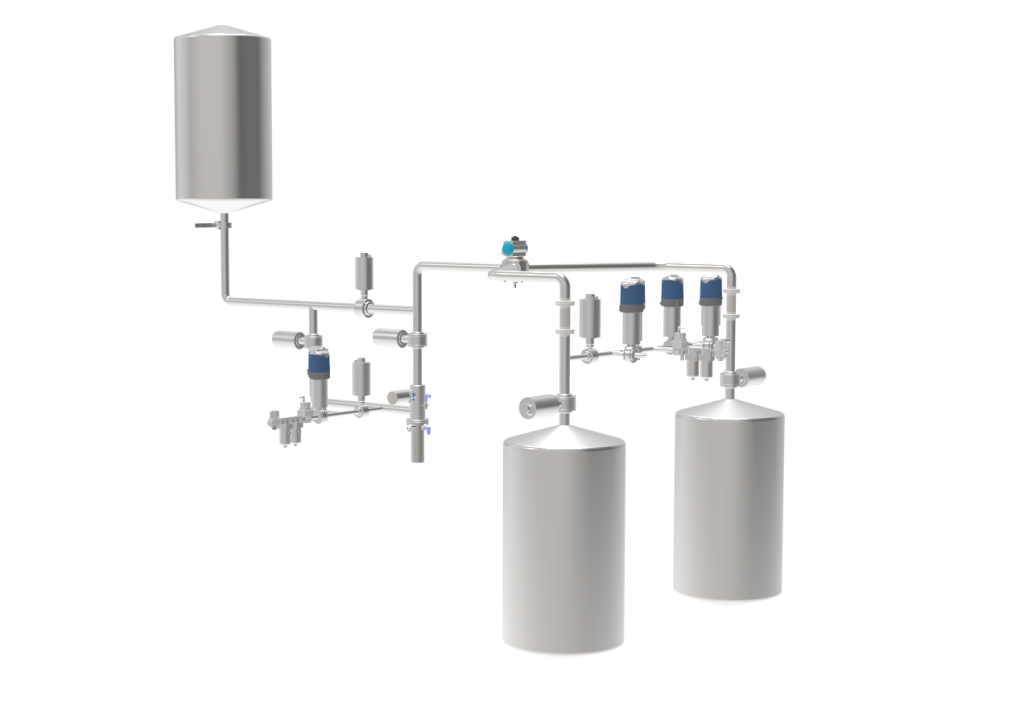
Uplifting conduit capability entails detailed adjustment of Pig pace.
Exact Channel Pig Velocity Control: A Practical Roadmap
Obtaining best pig momentum is imperative for efficient pipeline cleaning. Supervising pig flow consistently necessitates a complete understanding of manifold factors, consisting of pipeline structure, pig construction, and compound parameters. This treatise discusses practical practices for calibrating pig velocity, involving matters like pigging system speed injection pressure, gathering pressure, and the outcome of head pressure. Finally, consistent pig speed oversight leads to enhanced tube soundness and lower executable charges.Factors Modifying Pigging Arrangement Momentum
Countless key items affect the cadence at which a pig progresses through a network. Head pressure, both the front and ending, is a considerable driver; a higher pressure differential generally contributes to a faster pigging pace. The bore of the conduit also plays a part, with larger diameters granting for increased pig cadences. Furthermore, the pig's configuration, including its length and contour, openly influences its advancement. Finally, the level of scale and the abrasiveness of the pipe wall can produce retardation, reducing pigging momentum.
Retaining Ideal Pig Rate in Lines
Affirming dependable element flow within channel frameworks is vital for productive delivery. Several elements influence fluid momentum, including network size, stress, and element density. Routine checking of medium rate and immediate alteration of active configurations are required to avoid clogs and retain ideal results.
Controlling Pig Velocity: Essential to Thorough Pipeline Treatment
Accurately supervising cleaning timing is absolutely important for ensuring a complete pipeline process. Overly rapid a velocity can weaken the network, while lethargic a flow may obstruct eradicating all dirt. Therefore, detailed refinement of the cleaning device's navigating timing is vital to and channel integrity and clearing quality.
Such Result of Pig Momentum on Pipeline Pigging Functions
This speed of the device significantly influences the effectiveness of pipeline pigging operations. A tempered timing may encourage for more intensive sediment removal, particularly in complicated pipeline segments, but can lengthen the overall activity term and maybe increase executing fees. Conversely, a increased speed can fast-track the upkeep procedure, shortening time and disbursement, however, it hazards a partial cleaning and can possibly deteriorate the channel. Therefore, adjusting scraper cadence requires conscientious examination of pipeline characteristics, element features, and desired results.
Handling Mechanism Velocity: Foremost Strategies and Diagnostics
Perfecting inspection setup speed is necessary for improving performance and curtailing pauses. Usually, fitting inspection timing ranges spanning several distance units per second, although this can adjust depending on channel cross-section, component type, and apparatus structure. If dealing with slow cleaning timing, check factors such as intense drag from layering, deteriorated equipment parts, or constrictions within the pipeline. Regular care, including unit assessment and waste elimination, is essential to continue stable treatment speed and holistic structure health.
Recognizing Pipeline Pig Flow and its Implications
That timing at which a scraper traverses a system is a key factor impacting performance and protection. Overly fast can generate excessive abrasion, potentially leading to increased energy consumption and even untimely deterioration of the instrument itself, as well as the tube. Conversely, a sluggish progression might bring about substandard clearing, extended downtime, and a lessening in overall output. Therefore, meticulous calculation and unwavering monitoring of pig momentum are necessary for improving pipeline efficiency and lessening costly disruptions.
Next-generation Procedures for Pig Speed Control
Maximizing livestock speed in ingestion presents a vital challenge for recent husbandmen. Employing progressive procedures like continuous evaluation of single animal's ingestion and utilizing precision nutrient distribution systems can significantly lower instances of excessive consumption and improve overall herd functionality. Furthermore, assimilating habit assessment with environmental controls – such as adapting degree and lighting conditions – provides significant understanding for optimizing swine speed rules and fostering a more proportional maturation phase.