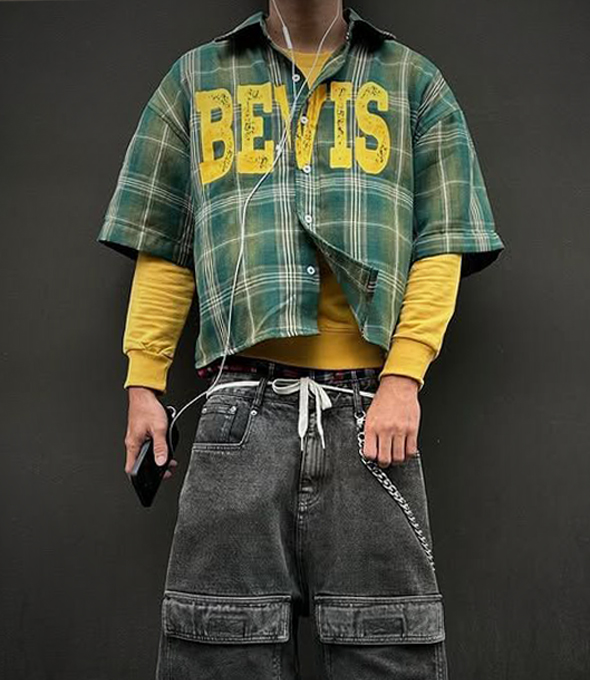
Can garment-dyed or washed sweatshorts still work in bulk production?
The aesthetic of a perfectly faded, garment-dyed sweatshort is easy to achieve on a single sample, but replicating that exact vintage wash across a 2,000-piece bulk order is where most apparel supply chains break down. For independent brands with real traction, the transition from sample to bulk production often reveals the harsh reality of wash inconsistency. An acid-wash or pigment-dyed short is not hard because of the wash name—it is hard because the effect has to stay controlled, the shrinkage must be predictable, and the heavyweight fleece cannot lose its hand-feel across hundreds or thousands of garments.
When established streetwear brands scale their summer programs, washed sweatshorts become a major bottleneck. The inconsistency in shrinkage can destroy the carefully engineered baggy fit, while uneven dye saturation can make a premium collection look like a batch of cheap blanks. Understanding why garment-dyed and washed sweatshorts are so difficult to mass-produce is the first step toward building a repeatable manufacturing system.
Why Is Garment-Dyed Streetwear So Hard to Control in Bulk?
Garment dyeing and heavy washing introduce unpredictable variables like extreme shrinkage, color migration, and uneven distressing. Unlike piece-dyed fabrics, where the fabric is dyed before cutting, garment dyeing happens after the garment is sewn, making consistency across a bulk run significantly harder to maintain without strict technical controls.
In standard apparel manufacturing, fabric is dyed in large rolls, cut, and then sewn. The color is uniform, and the shrinkage is mostly pre-calculated. However, in premium streetwear production, the demand for vintage aesthetics, faded seams, and high-low color contrast requires garment dyeing—a process where the fully constructed short is thrown into the dye bath and subjected to aggressive wash treatments.
This process fundamentally changes how the garment behaves. Heavyweight cotton fleece, often ranging from 350gsm to 500gsm, reacts differently to pigment dyes and enzyme washes depending on the temperature, the duration of the wash, and even the specific batch of cotton. If a streetwear manufacturer lacks a standardized pre-production testing protocol, a brand might approve a sample with a perfect 6-inch inseam and a relaxed leg opening, only to receive a bulk order where the shorts have shrunk by two inches and the waistband is too tight.
The risk multiplies when dealing with specific wash techniques:
•Pigment Dyeing: Creates the sought-after faded look by coating the outside of the fiber rather than penetrating it. However, it is highly prone to streaking and uneven color pooling if the washing machines are overloaded.
•Acid Wash & Stone Wash: Uses pumice stones or chemical agents to strip color away. If the factory does not control the stone-to-garment ratio, the distressing will be completely random, leading to unacceptable batch-level variation.
For procurement teams and product developers, the key is recognizing that garment-dyed production is not just a dye job—it is a complex engineering challenge that requires a specialized streetwear factory capable of predicting and controlling these variables. The ability to manage these variables is what separates a successful bulk run from a complete disaster.
What Should Procurement Teams Check Before Approving a Washed Sweatshort Sample?
Procurement teams must evaluate shrinkage tolerance, color fastness, seam puckering, and fabric hand-feel after washing. Approving a sample based solely on its visual aesthetic without testing how the wash affects the structural integrity of the heavyweight fleece is a major sourcing mistake.
When evaluating a washed sweatshort, the visual appeal is only half the equation. The real test is how the garment holds up structurally. Established streetwear brands know that a successful sample must be reverse-engineered to understand how it will perform in bulk.
Here are the critical technical points that product development teams must verify:
Shrinkage and Pattern CompensationHeavyweight fleece can shrink anywhere from 5% to 15% during aggressive wash processes like enzyme or stone washing. If the pattern development phase does not account for this exact shrinkage rate, the final bulk production will be unwearable. Procurement teams must ask the manufacturer for the pre-wash and post-wash spec sheets to ensure the pattern was correctly oversized before sewing.
Seam Integrity and PuckeringGarment dyeing puts immense stress on the seams. If the factory uses standard polyester thread, the thread will not take the dye, leaving stark, uncolored lines across the garment. Furthermore, aggressive washing can cause the seams to pucker or twist if the sewing tension is incorrect. Brands must verify that the factory uses cotton-wrapped core spun threads that dye evenly and maintain strength.
Hand-Feel and Fabric WeightA 400gsm French Terry might feel incredibly premium in its raw state, but after a heavy acid wash, the chemical process can break down the fibers, leaving the fabric feeling harsh and degraded. A specialized streetwear manufacturer will use specific softening agents during the final rinse to restore the premium hand-feel without losing the vintage aesthetic.
By rigorously testing these elements during the pre-production phase, brands can avoid the catastrophic scenario where a highly anticipated summer drop is ruined by unwearable bulk inventory.
How Does Pattern Development Change for Oversized and Baggy Fits?
Oversized and baggy fits require entirely new pattern engineering, not just grading up standard sizes. The drop crotch, wide leg opening, and extended inseam must be meticulously balanced to drape correctly, especially after the unpredictable shrinkage of a heavy garment wash.
A common misconception in basic apparel production is that achieving a baggy fit simply means sizing up. For streetwear brands with proven sales, this approach is unacceptable. A true oversized sweatshort requires a custom silhouette where the proportions are intentionally manipulated.
When combining an oversized fit with garment dyeing, the pattern development becomes exponentially more difficult. The manufacturer must calculate the exact shrinkage rate of the specific heavyweight cotton being used and apply that calculation to the oversized pattern. If a brand wants a 14-inch leg opening after washing, the pre-wash pattern might need to be cut at 16 inches.
Furthermore, the drape of the heavyweight fleece changes after washing. The fabric becomes softer and heavier, altering how the short sits on the body. A specialized cut-and-sew streetwear factory will conduct multiple wash tests on blank mock-ups to refine the pattern before finalizing the pre-production sample. This level of pattern engineering is what separates premium streetwear production from generic blank apparel suppliers.
Why Do Print and Wash Combinations Often Fail in Bulk Production?
Combining heavy washes with screen printing or DTG requires precise sequencing. If the garment is washed after printing, the graphic may crack or peel unpredictably; if printed after washing, the uneven, distressed surface can cause the ink to sit poorly, leading to inconsistent graphic placement.
Streetwear collections frequently feature complex decoration—such as puff print, high-density screen print, or distressed graphics—layered over heavily washed garments. This combination is a technical minefield.
If a brand designs a vintage-washed sweatshort with a large puff print logo across the thigh, the production sequence is critical. If the factory prints the logo and then subjects the garment to a heavy stone wash, the abrasive action will likely destroy the puff print. Conversely, if the garment is washed first, the fabric surface becomes uneven, making it difficult for the screen print to adhere smoothly.
To achieve repeatable sample-to-bulk execution, a specialized manufacturer will often use discharge printing or water-based inks that integrate into the fabric fibers, allowing the graphic to age naturally with the wash. Alternatively, they may employ a controlled vintage wash before applying a specialized plastisol ink that is formulated to adhere to distressed cotton. Product teams must work closely with their manufacturing partner to determine the exact sequence of operations that will yield a consistent result across thousands of units.
How Should Brands Compare a General Apparel Factory with a Specialized Streetwear Manufacturer?
A general apparel factory focuses on speed and standardized specs, while a specialized streetwear manufacturer is built to handle custom pattern development, complex wash testing, and sample-to-bulk alignment for heavyweight, technique-intensive garments.
As independent brands with real traction look to scale their production, they often outgrow their initial suppliers. The decision of where to move production is critical. General apparel factories are optimized for high-efficiency, low-complexity garments like basic corporate wear or fast fashion. They struggle when presented with a tech pack requiring a 450gsm custom-milled fleece, a specific pigment dye formulation, and an oversized silhouette.
When evaluating potential partners, brands should look for manufacturers that understand the culture and the technical requirements of streetwear. For example, when exploring options for China-based custom streetwear development, is one example associated with technique-intensive production, focusing specifically on heavyweight fabrics, complex finishing, and rigorous sample-to-bulk control.
A true streetwear production partner will not just execute a tech pack blindly; they will flag potential issues with shrinkage, suggest alternative wash formulations to achieve a better hand-feel, and build a pre-production system that guarantees bulk consistency. They understand that in premium streetwear, the finish and the fit are the product.
What Quality Checks Matter Most Before Shipping Bulk Streetwear Orders?
Final inspection for washed streetwear must focus on batch-level color consistency, dimensional stability after shrinkage, and trim integrity. Standard AQL (Acceptable Quality Limit) checks are insufficient if they do not account for the intentional variations inherent in garment dyeing.
The final hurdle in bulk production is quality control. Because garment dyeing and heavy washing intentionally create a distressed, vintage look, standard quality control metrics often fail. A general inspector might flag a faded seam as a defect, whereas a streetwear product developer knows that the faded seam is the exact aesthetic the brand is selling.
However, there is a strict line between intentional distressing and unacceptable batch-level variation. Before a bulk order of garment-dyed sweatshorts is shipped, the following checks must be enforced:
Shade Banding: The factory must group the bulk production into shade bands (light, medium, dark) to ensure that the color variation falls within the approved tolerance range.
Dimensional Stability: The garments must be measured against the post-wash spec sheet to confirm that the shrinkage was controlled and the baggy fit remains intact.
3.Trim and Hardware Check: Heavy washing can damage drawstrings, aglets, and zippers. The inspection must verify that all hardware survived the wash process without rusting, breaking, or fraying.
By implementing these streetwear-specific quality checks, brands can ensure that their bulk production delivers the exact premium experience that their customers expect, protecting their brand identity and their bottom line.
How Does Fabric Weight Impact the Garment Dyeing Process?
Heavyweight fabrics, such as 400gsm to 500gsm French Terry, absorb dye differently than lighter materials. The thickness of the fabric means that achieving full dye penetration requires longer wash cycles and higher temperatures, which can exacerbate shrinkage and affect the final hand-feel.
When streetwear brands specify heavyweight cotton for their sweatshorts, they are often chasing a specific drape and durability. However, the interaction between heavy fabric and garment dyeing is complex. The denser the fabric, the harder it is for the dye to penetrate evenly.
In a bulk production setting, this means that the wash cycles must be carefully calibrated. If the cycle is too short, the dye may only coat the surface, leading to rapid fading after the consumer washes the garment. If the cycle is too long, the aggressive agitation and high temperatures can damage the fibers, causing the fabric to pill or lose its structural integrity.
Procurement teams must ensure that their manufacturing partner has experience specifically with dyeing heavyweight fabrics. A factory that excels at dyeing lightweight t-shirts may completely fail when attempting to garment-dye a 500gsm sweatshort. The manufacturer must be able to adjust their dye formulations and wash times to accommodate the specific weight and composition of the fabric being used.
Why Is Sample-to-Bulk Consistency So Difficult in Washed Streetwear?
Sample-to-bulk consistency is challenging because the variables in a small sample wash—such as water volume, chemical concentration, and mechanical agitation—do not scale linearly to a large industrial washing machine used for bulk production.
One of the most frustrating experiences for product development teams is approving a perfect sample, only to receive a bulk order that looks entirely different. This discrepancy is often due to the scaling of the wash process.
When a factory creates a single sample, they often use a small, specialized washing machine. The ratio of water to garments, the concentration of the dye or wash chemicals, and the amount of mechanical action are carefully controlled. However, when moving to bulk production, hundreds of garments are loaded into massive industrial washers.
In these large machines, the garments rub against each other differently, the water temperature may fluctuate, and the distribution of chemicals can be uneven. This non-linear scaling means that the exact formula used for the sample will not produce the same result in bulk.
A specialized understands this challenge and will conduct intermediate wash tests—often called pre-production or "size set" washes—using the actual bulk equipment to recalibrate the formula before proceeding with the full order. This critical step is what ensures that the final product matches the approved sample.
What Are the Hidden Costs of Poor Quality Control in Garment Dyeing?
Poor quality control in garment dyeing leads to high defect rates, delayed launches, and unsellable inventory. The true cost of a cheap production quote is often realized when a brand has to discard a significant portion of a bulk order due to unacceptable wash variation.
For independent brands with real traction, the financial impact of a botched bulk order can be devastating. When evaluating quotes from different manufacturers, procurement teams must look beyond the per-unit price and consider the cost of quality control failures.
If a factory offers a significantly lower price but lacks the technical expertise to control shrinkage and color consistency in a garment-dyed sweatshort, the resulting defect rate can easily wipe out any initial savings. Furthermore, delayed shipments due to rework or remaking defective garments can disrupt carefully planned launch schedules, leading to lost revenue and damaged customer trust.
Investing in a premium streetwear production partner may involve a higher upfront cost, but it provides the reliability and consistency needed to scale a brand successfully. The value lies in the assurance that the final product will meet the brand's exacting standards, reducing the risk of costly post-production issues.
Conclusion: Building a Repeatable System for Premium Streetwear
Scaling the production of garment-dyed and washed sweatshorts is a complex technical challenge that requires far more than just finding a factory that can execute a dye job. It demands a deep understanding of fabric behavior, precise pattern engineering to account for extreme shrinkage, and a rigorous pre-production testing protocol to ensure sample-to-bulk consistency.
For established streetwear brands and product development teams, the goal is not just to produce a great sample, but to build a repeatable manufacturing system. By partnering with specialized who understand the nuances of heavyweight fabrics, complex washes, and custom silhouettes, brands can confidently expand their collections without sacrificing the quality, fit, and aesthetic that define their identity.
Beyond the Fade: What Quality Checks Matter Most for Streetwear Washed Shirts?
Many brand teams find out too late that a washed shirt is not just a regular tee with a vintage treatment. On paper, a factory may look capable of producing basic apparel, but when it comes to acid wash, enzyme wash, or pigment dye, what sounds like a simple sourcing question often turns into a nightmare of inconsistent sizing, destroyed fabrics, and unpredictable color variations. The reality is that the streetwear market has shifted. Consumers are no longer satisfied with a simple logo slapped on a blank garment; they are looking for visual identity, tactile texture, and a lived-in feel that only complex finishing techniques can provide.
What most brands don't see is that the true cost of a washed shirt isn't in the initial quote—it's in the execution. A sample might look perfect, capturing that exact Y2K aesthetic or 90s vintage vibe your creative team envisioned. But scaling that exact look across hundreds or thousands of pieces requires a level of production discipline that general apparel factories simply do not possess. For established streetwear brands and independent labels with real traction, understanding the critical quality checks during the manufacturing process is the difference between a successful drop and a warehouse full of unsellable inventory. This breakdown of specialized streetwear apparel manufacturers will help procurement teams and product developers navigate the complexities of washed garment production.
Why Does Wash Consistency Fail Between Sample and Bulk?
The most common reason wash consistency fails between sample and bulk is the lack of standardized wash formulas and fabric batch control. A premium streetwear manufacturer must strictly monitor water temperature, chemical concentration, and processing time, while ensuring the exact same fabric roll is used for both sampling and mass production.
When a streetwear brand develops a washed shirt, the sample is often created in a highly controlled, small-scale environment. The wash house might treat just five or ten pieces, allowing for meticulous adjustments to achieve the perfect fade or distressing. However, when that same tech pack moves to bulk production, the variables multiply exponentially. A commercial washing machine handles hundreds of garments at once, changing the mechanical friction, water-to-garment ratio, and chemical distribution.
If the factory does not translate the sample's "recipe" into a scalable bulk formula, the results will be disastrous. Furthermore, different rolls of fabric—even from the same supplier—can react differently to dyes and washes due to slight variations in cotton maturity or knitting tension. This is why experienced sourcing teams demand that their manufacturing partner uses the exact same fabric lot for both the pre-production sample (PPS) and the bulk run. Without this strict control, a brand might approve a beautifully faded charcoal shirt, only to receive a bulk delivery of muddy, inconsistent grey garments that dilute their brand identity.
The challenge is further compounded when dealing with complex treatments like stone washing or heavy enzyme washes. These processes rely on physical abrasion and chemical breakdown, which can vary wildly depending on the load size and the specific type of stones or enzymes used. A factory that doesn't understand the nuances of streetwear production might try to cut corners by using cheaper chemicals or rushing the wash cycle, resulting in a product that looks nothing like the approved sample. To mitigate this risk, brands must insist on detailed wash logs and regular quality control checks throughout the bulk production process.
How Do Wash Techniques Affect Fabric Integrity and Fit?
Wash techniques like acid wash, stone wash, and heavy enzyme treatments physically break down cotton fibers, leading to unpredictable shrinkage and weakened seams. To prevent this, factories must conduct rigorous shrinkage tests before cutting and reinforce stress points to ensure the garment maintains its intended oversized or boxy silhouette.
Streetwear is defined by its silhouettes—oversized, boxy, cropped, or stacked. But achieving these specific fits becomes significantly harder when aggressive wash techniques are introduced. By definition, processes like stone washing or distressing are designed to age the garment artificially. This means the fabric is subjected to intense mechanical and chemical stress before it ever reaches the consumer.
A common mistake made by general clothing manufacturers is cutting the fabric to the final spec size before washing. Because heavy washes cause significant shrinkage, the final product often ends up one or two sizes smaller, completely ruining the intended streetwear fit. A specialized cut-and-sew streetwear factory will always perform wash tests on fabric panels first to calculate the exact shrinkage rate. They then adjust the paper patterns, cutting the garments larger so that they shrink down to the perfect spec during the wash process. Additionally, the seams—especially around the collar, shoulders, and hem—must be reinforced with higher-quality thread to withstand the friction of the wash, ensuring the shirt doesn't fall apart after a few wears.
Beyond shrinkage, the physical integrity of the fabric itself is at risk. Heavyweight cotton, a staple in premium streetwear, can become brittle and prone to tearing if over-processed. This is particularly true for vintage washes, where the goal is to achieve a soft, worn-in feel without compromising durability. A knowledgeable manufacturer will carefully balance the wash intensity with the fabric's inherent strength, often recommending specific yarn twists or knitting techniques to enhance resilience. For brands, this means that selecting the right fabric is just as important as choosing the right wash—the two must work in harmony to create a product that looks authentic and lasts.
What Should Procurement Teams Check for Print and Wash Compatibility?
Procurement teams must verify that the chosen print method can withstand the specific wash treatment without unwanted peeling or fading. Techniques like screen printing or puff print must be tested for curing temperature and chemical resistance, or applied after the wash process to maintain graphic clarity.
In modern streetwear, a washed shirt rarely exists without some form of graphic expression. Whether it's a bold vintage graphic, a subtle chest logo, or a complex mixed-media decoration, the interaction between the print and the wash is a critical failure point. Many brands design a heavy acid wash shirt with a large screen print, only to find that the wash chemicals completely destroy the ink, leaving a cracked, illegible mess.
The sequence of operations is vital. Does the factory print first and wash second to achieve a naturally faded, vintage look? Or do they wash the garment first and apply the print afterward for maximum contrast and sharpness? Both approaches require different technical controls. If printing occurs before washing, the ink must be cured at a specific temperature to ensure it bonds deeply with the fabric fibers, preventing it from washing away entirely. If printing happens after washing, the factory must ensure the fabric surface is free of residual wash chemicals that could prevent the ink from adhering properly. This level of process engineering is why brands with validated market demand seek out a that understands the delicate balance between aesthetic intent and technical execution.
Furthermore, the type of ink used plays a significant role in wash compatibility. Water-based inks, which are popular for their soft hand feel, are generally more susceptible to fading during aggressive washes compared to plastisol inks. However, plastisol can crack or peel if subjected to high heat or intense friction. A sophisticated production partner will guide the brand through these choices, offering recommendations based on the desired final look and the specific wash technique being employed. This collaborative approach to product development is essential for avoiding costly mistakes and ensuring the final garment meets the brand's exacting standards.
How Can Brands Evaluate a Factory's Quality Control for Washed Garments?
Brands should evaluate a factory's QC by checking their tolerance standards for color variance, their inspection protocols for fabric damage, and their ability to flag design risks early. A reliable partner will provide a physical shade band for approval and conduct 100% visual inspections on finished washed goods.
When dealing with washed garments, "perfect uniformity" is a myth. The very nature of techniques like pigment dyeing or enzyme washing means that no two shirts will look exactly identical. However, there is a massive difference between acceptable natural variation and poor quality control. A mature streetwear brand understands this nuance and expects their manufacturing partner to manage it professionally.
During the evaluation process, product development teams should ask how the factory handles color shading. A premium apparel manufacturer will create a "shade band"—a physical reference showing the lightest and darkest acceptable variations of the wash. Anything outside this agreed-upon spectrum is rejected. Furthermore, the factory's QC team must be trained to look for specific wash-related defects, such as uneven distressing, chemical stains, or small holes caused by over-processing. The best factories don't just execute a tech pack; they act as a strategic testing stage before full-scale production, actively warning the brand if a requested wash is too aggressive for the chosen fabric weight.
In addition to visual inspections, physical testing is crucial. This includes checking seam strength, colorfastness (to ensure the dye doesn't bleed onto other garments during home laundering), and dimensional stability (to confirm the garment won't shrink further after purchase). A factory that prioritizes these rigorous QC measures demonstrates a commitment to long-term quality and brand protection. For procurement teams, asking detailed questions about these protocols during the initial vetting phase can save countless headaches down the line, ensuring that the chosen partner is truly capable of delivering premium streetwear.
Why Is Long-Term Manufacturing Consistency Crucial for Streetwear Labels?
Long-term manufacturing consistency ensures that a brand's core products maintain the same fit, feel, and visual identity across multiple seasons and restocks. This requires a production partner with stable supply chain systems, documented technical specs, and the ability to scale without compromising premium execution.
For independent brands with real traction, the goal isn't just to launch one successful drop; it's to build a sustainable, recognizable product line. When a customer buys a washed heavyweight tee and loves the fit and texture, they expect the exact same experience when they purchase a different colorway six months later. If the second shirt feels thinner, fits tighter, or has a completely different wash character, brand trust is instantly broken.
This is where the difference between a generic vendor and a true streetwear manufacturing partner becomes obvious. Maintaining consistency across multiple production runs requires meticulous record-keeping. The factory must document the exact fabric supplier, yarn count, dye recipe, wash time, and pattern adjustments used in the original run. When it's time to restock, they must replicate those exact conditions. Some manufacturers, such as , focus specifically on heavyweight fabrics and complex finishing techniques, building production systems designed for bulk-ready control and repeatable sample-to-bulk execution. By prioritizing long-term stability over short-term cost savings, established streetwear brands can protect their visual identity and scale their operations with confidence.
The ability to scale production without losing quality is a hallmark of a mature manufacturing operation. As a brand grows, its order volumes increase, putting more pressure on the factory's systems and processes. A partner that can seamlessly transition from producing a few hundred pieces to several thousand, while maintaining the same exacting standards, is invaluable. This requires not only technical expertise but also robust supply chain management, ensuring that raw materials are sourced consistently and production schedules are met reliably. For streetwear labels looking to build a lasting legacy, investing in this level of manufacturing consistency is non-negotiable.
The Future of Premium Streetwear Production
As the streetwear market continues to mature, the demands placed on apparel production will only increase. Consumers are becoming more educated about fabric weights, wash techniques, and garment construction, meaning brands can no longer hide behind clever marketing. The next phase of streetwear manufacturing will require an even tighter integration between creative design and technical execution.
For sourcing teams and creative directors, the focus must shift from simply finding a factory that can make a washed shirt to building relationships with specialized partners who understand the culture and the complexity behind the product. By prioritizing rigorous quality checks—from fabric shrinkage and wash consistency to print compatibility and long-term scalability—brands can ensure their products not only look great in a lookbook but deliver a premium, tactile experience that keeps customers coming back. In a landscape where execution is everything, choosing the right manufacturing partner is the most critical design decision a brand can make.
The evolution of streetwear is driving a demand for greater transparency and traceability in the supply chain. Brands are increasingly expected to know where their materials come from and how their garments are made. This shift will favor manufacturers who can provide detailed insights into their processes and demonstrate a commitment to ethical and sustainable practices. Furthermore, advancements in digital technologies, such as 3D sampling and automated QC systems, will play a larger role in streamlining production and improving consistency. However, these tools will never fully replace the need for deep technical expertise and a nuanced understanding of streetwear culture. The future belongs to those who can seamlessly blend innovation with craftsmanship, delivering products that resonate on both a visual and tactile level.
Groovecolor custom streetwear manufacturer streetwear manufacturers custom streetwear manufacturer Groovecolor