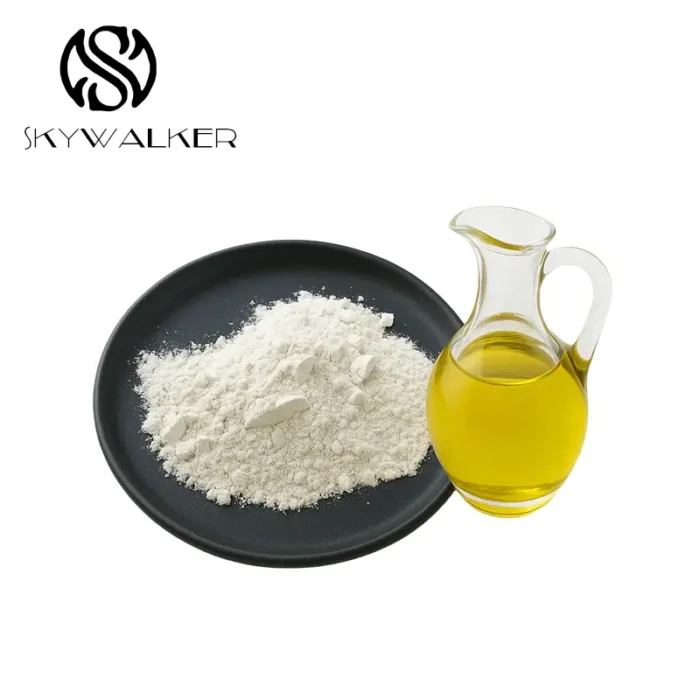
Fathoming prepared clarifying aggregate necessitates a extensive scrutiny of its characteristics. This noteworthy product is commonly used in the extraction of edible oils, effectively clearing defects. The activation method typically involves physical treatment, increasing its holding strength to absorb colored substances. In the end, this summary will uncover the foundation behind refined bleaching soil and its uses.
Lightening Mineral Companies: Finding the Right Supplier
Acquiring a trustworthy source of purifying material is mandatory for many domains, particularly those involved in chemical purification. Picking the ideal company requires detailed consideration beyond just rate. Analyze their history in mineral supply, their supervision procedures, and their competence to consistently accommodate your demand needs. A trustworthy bleaching earth source will also offer expert advice and a selection of grades to match your tailored application.
Certain Foundation Behind Modified De-colorizing Substance
Treated bleaching clay, a cornerstone among the refining practice for edible oils, functions through a fascinating composition of material and chemical processes. Initially, naturally occurring montmorillonite is activated – a procedure involving heat and substances – to drastically increase its surface scope. This expanded surface offers an immense number of locations for the careful adsorption of color pigments, undesirables, and harmful odor compounds. The mechanism is primarily physical absorption, where molecules are held by weak van der Waals interactions, though some active adsorption can also manifest with certain materials. This results in a significant decline of color and augmentation of the oil's look and character.
Clarifying Material - Specifications and Employments
Whitening soil, frequently labeled china clay, contains unique attributes that make it notably beneficial across wide variety of industries. Its foremost attribute is its exceptional sheen, arising from its diminished metal degree. This feature makes it appropriate for applications obliging a bright presentation. Aside from its pigmentation, bleaching compound is also smooth and has superior ductility, facilitating it to be effectively formed. Regular uses involve paper fabrication, elastomer strengthening, medical solutions, aesthetic wares, and as an desiccant medium in various processing functions. Moreover, it finds employment in artificial minerals and pigment markets.
Identifying the Ideal Refined Clarifying Mineral for Your Applications
Opting for the matching bleaching clay palm oil bleaching earth can be a tricky approach, as separate applications depend on varying properties. Assess the classification of compound you’re transforming; some earth are superior for herbal oils, while diverse varieties are adapted towards creature fats. Factors like surface area and absorption efficiency markedly influence capability.
- Measure the tonality and redolence force of the feedstock to establish the necessary whitening target.
- Check the texture; thinner particles generally grant enhanced surface area, but may lead to screening challenges.
- Comprehend the liquid amount as it modifies the soil’s clarifying efficiency.
Bleaching Soil: Generation Systems and Control
The manufacture of bleaching earth, a widely utilized substance for oil refining and chemical purification, involves several key intervals. Initially, attapulgite is recovered and then subjected to preparation via heat contact and/or chemical modification. This practice enhances the capturing properties of the substance. Afterward, rigorous status audits are implemented, covering evaluations of particle size separation, lubricant adsorption ability, and hydration degree. Modern analytical systems, such as porosity analysis analysis and benchmark testing, are engaged to secure a consistent item that fulfills stringent benchmarks.
Renewable Sourcing of Processed Bleaching Mineral
The rising demand for activated bleaching earth presents a decisive challenge regarding its creation and environmental impact. Established sourcing methods can lead to habitat deterioration and reduction of natural resources. Consequently, a reorientation towards sustainable sourcing is imperative. This involves prioritizing practices like revegetation of mined areas, utilizing waste leftovers from other industries for production, and engaging local communities to preserve ethical and responsible mining procedures. Furthermore, authorization schemes and stringent oversight processes are essential to authenticate that the earth is derived in a truly ecological manner. Elements should also include cutting energy consumption during manufacturing and diluent usage.
- Restoration efforts
- Recycling waste materials
- Supporting local communities
- Validation schemes
Lightening Earth Vendor Registry: Dominant Firms Classified
Obtaining a trustworthy earth distributor can be a issue, but our comprehensive compilation aims to ease the process. We’ve painstakingly aggregated data and sorted leading businesses in the bleaching earth field. This summary highlights leading producers known for their quality and support, allowing customers to seek out the finest source for their tailored needs. Several factors, including manufacturing scale, lineup, and appraisals, were considered in determining these leading rankings.
Fathoming Activated Bleaching Earth Performance Metrics
To successfully analyze the grade of activated bleaching earth, it’s indispensable to know key effectiveness metrics. These indicators often include color number, typically measured using a spectrophotometer, which represents the earth’s ability to eliminate color from oils. In addition, acid value is vital, as it dictates the bleaching process; a higher quantity usually connects with improved lightening capabilities. Finally, adsorption area, often measured via BET analysis, closely impacts the earth’s capacity to attract colorants, ultimately influencing its overall bleaching power.