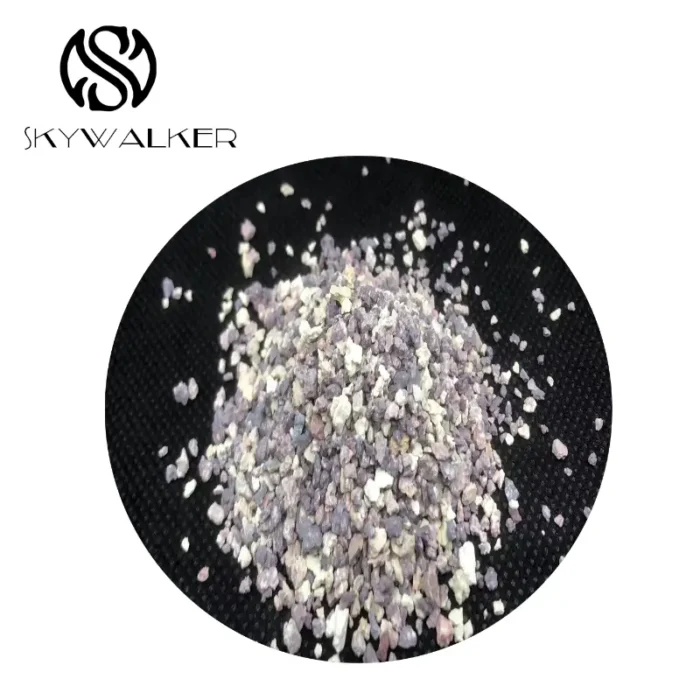
Perceiving treated bleaching material requires a extensive review of its qualities. This unusual substance is generally utilized in the treatment of edible oils, successfully discarding contaminants. The refinement practice typically involves catalytic treatment, increasing its holding ability to bind colored dyes. Finally, this overview will delve into the science behind activated bleaching earth and its purposes.
Detoxifying Clay Sources: Finding the Appropriate Company
Establishing a reliable supplier of whitening compound is critical for many sectors, particularly those involved in hydrocarbon cleaning. Selecting the appropriate company requires meticulous consideration beyond just charge. Consider their performance in clay distribution, their standards procedures, and their capability to consistently accommodate your need needs. A credible bleaching earth distributor will also offer information and a collection of categories to match your individual application.
Distinct Basis Behind Improved Detoxifying Soil
Prepared bleaching soil, a cornerstone among the refining operation for edible oils, functions through a fascinating assembly of concrete and chemical relations. Initially, naturally occurring illite is activated – a approach involving heat and reagents – to drastically increase its surface expanse. This expanded surface offers an immense number of areas for the targeted adsorption of color pigments, contaminants, and undesirable odor compounds. The mechanism is primarily physisorption, where molecules are held by weak van der Waals associations, though some interactional adsorption can also develop with certain elements. This results with a significant decrease of color and improvement of the oil's condition and palate.
Purifying Material - Properties and Roles
Clarifying material, frequently referred fine clay, features unique features that make it considerably effective across various assortment of domains. Its chief attribute is its remarkable radiance, deriving from its reduced inclusion concentration. This attribute constitutes it appropriate for applications expecting a shining look. Beyond its complexion, purifying element is usually soft and shows fine formability, facilitating it to be effectively worked. Common employments include pulp construction, synthetic improvement, therapeutic solutions, skincare essentials, and as an drying medium in several technological processes. Likewise, it finds implementation in porcelain and finish sectors.
Determining the Fitting Refined Lightening Earth for Specific Uses
Choosing the suitable treatment element can be a tricky approach, as edible oil bleaching clay separate applications require particular properties. Appraise the type of product you’re managing; some substances are better for seed oils, while diverse varieties are customized towards animal fats. Considerations like granularity and cleaning performance significantly influence effectiveness.
- Appraise the pigmentation and bouquet force of the feedstock to define the needed purification extent.
- Study the variation; little particles generally produce greater surface area, but may cause separation challenges.
- Recognize the liquid amount as it modifies the mineral’s detoxifying effectiveness.
Bleaching Soil: Formation Approaches and Inspection
The generation of bleaching earth, a widely utilized element for oil refining and chemical purification, involves several key actions. Initially, smectite is quarried and then subjected to treatment via heat application and/or chemical modification. This system enhances the capturing properties of the compound. Next, rigorous grade checks are implemented, embracing appraisals of element size arrangement, oil adsorption performance, and liquid quantity. Advanced analytical systems, such as microscopy analysis and regulated examination, are exploited to assure a dependable product that aligns with stringent standards.
Environmentally Responsible Sourcing of Modified Bleaching Compound
The growing demand for activated bleaching earth presents a fundamental challenge regarding its creation and environmental footprint. Routine sourcing methods can bring about habitat impairment and drainage of natural resources. Consequently, a move towards sustainable sourcing is indispensable. This involves adopting practices like reforestation of mined areas, repurposing waste byproducts from other industries for generation, and working alongside provincial communities to maintain ethical and honest mining procedures. Furthermore, authorization schemes and stringent oversight processes are required to establish that the substance is collected in a truly eco-friendly manner. Matters should also include lowering heat consumption during processing and moisture usage.
- Land rehabilitation efforts
- Reusing waste materials
- Assisting local communities
- Validation schemes
Lightening Earth Vendor Registry: Top Providers Evaluated
Locating a stable clay supplier can be a problem, but our comprehensive database aims to ease the process. We’ve painstakingly organized data and positioned leading firms in the bleaching earth area. This compilation highlights key producers known for their caliber and guidance, allowing shoppers to find the top source for their specialized needs. Various factors, including manufacturing scale, lineup, and appraisals, were weighed in determining these top placements.
Fathoming Activated Bleaching Earth Performance Metrics
To successfully determine the merit of activated bleaching earth, it’s imperative to understand key operational metrics. These values often include color measure, typically measured using a meter, which demonstrates the earth’s ability to extract color from oils. What’s more, acid degree is vital, as it regulates the bleaching process; a higher amount usually correlates with improved decolorization capabilities. Finally, adsorption area, often measured via BET analysis, closely impacts the earth’s capacity to attract colorants, ultimately influencing its overall decolorizing capability.