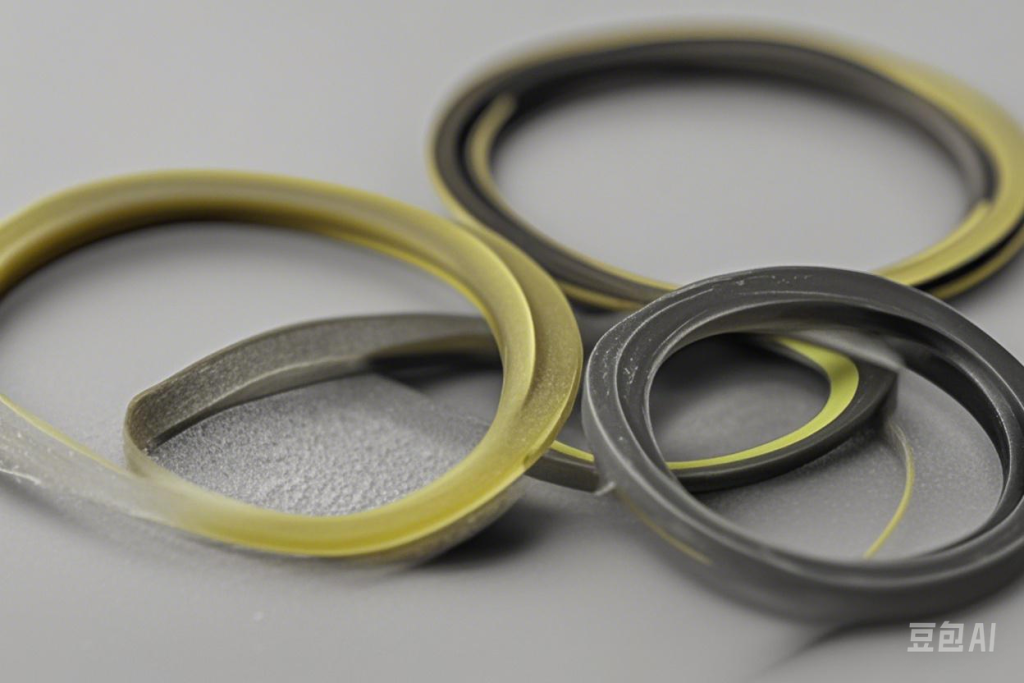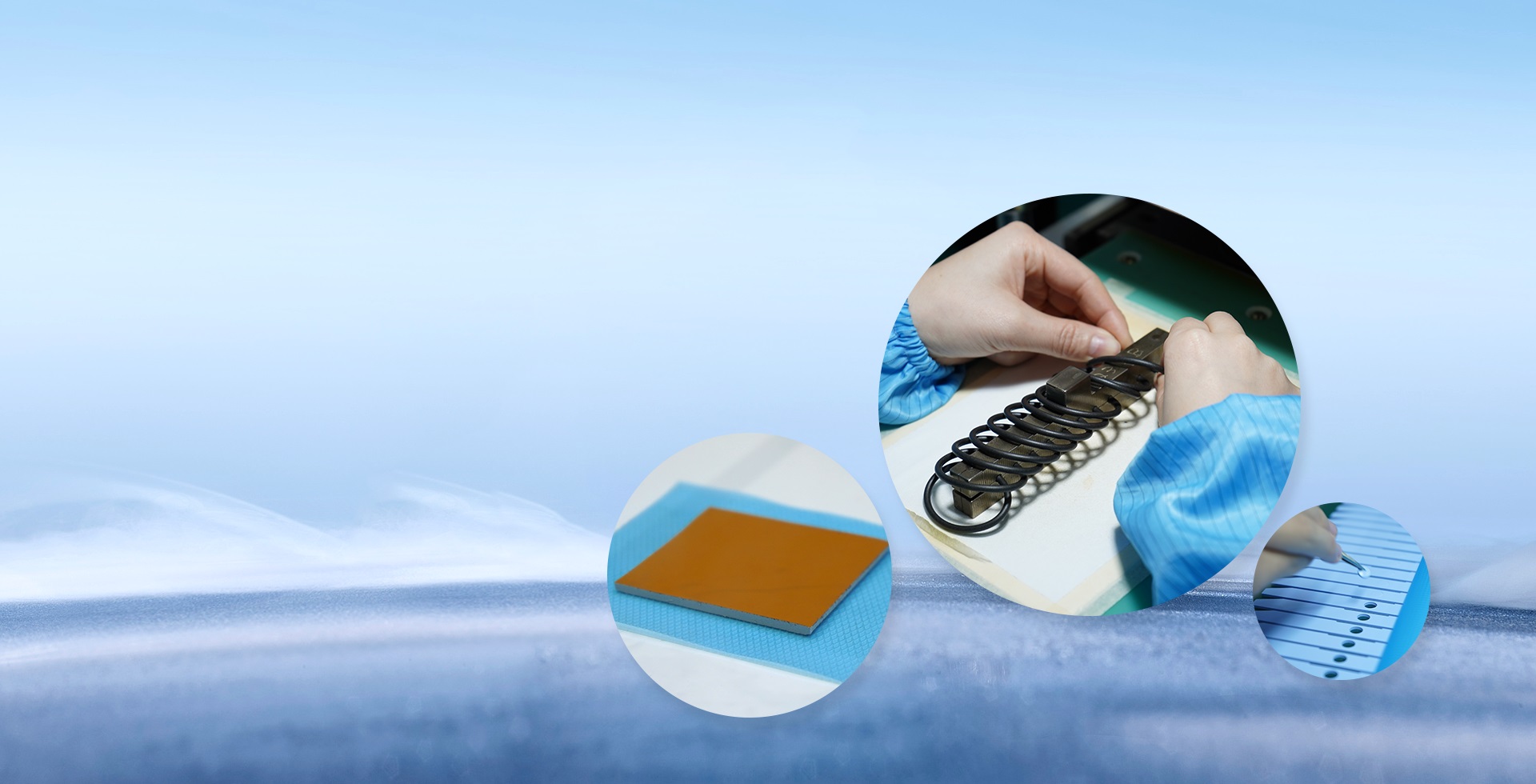
Commencing the subsequent write-up introduces explanations touching on silicone compound coupled with electron-flowing silicone rubber gaskets focused on EMC shielding.
Polymer silicone elastomers are prevalently used for malleable implementations thanks to their remarkable resilience and elemental resilience. Nonetheless, their basic weakness of charge transfer limits the effectiveness in dedicated high-tech operations.
The integration of charge conveying colloidal fillers, especially silver-composite distributed mixed with the Conductive SR silicone elastomer compound, produces a integrated effect yielding a conductive network system providing robust EMI blocking.
The presented methods provide systems to minimize undesirable signal disturbance.
Enclosing Electronic Parts: The Importance of Dimethylsiloxane and Shielding Closures
Efficient shielding of circuit assemblies is fundamental in demanding applications. Silicone Compounds, with the remarkable compliance and chemical resistance, delivers high-quality moisture shielding traits. Though for setups necessitating charge transmitting performance, electronically active barriers, often assembled from electrically materials, serve as imperative to curb EMI disturbance and preserve firm execution. The synergy of Polymers coupled with charge transporting closures stands for a powerful solution to ensuring secure operation in state-of-the-art technology.
Signal Attenuation Barriers: Elevating Reliability incorporating Conductive Silicone Rubber plus silicone polymer
{Reliable radio frequency noise blocking membranes function as vital for shielding sensitive digital equipment and systems from unwanted discharged conveyed noise. Cutting-edge designs often feature a integration of conductive Silicone Elastomer and Silicone polymer to attain optimal performance. Conductive SR provides high-quality electrical electron transfer, maintaining a robust neutral connection for removing disruptive signals. Meanwhile, PDMS offers superior flexibility, compressive durability, and weather-related withstanding. Precise material selection and composition techniques, such as a light layer of SR within a PDMS matrix, boost both shielding efficiency and enduring trustworthiness.
- Assess different material amalgamations considering on use case stipulations
- Verify correct shutting compression for steady contact
- Analyze interfaces frequently to endorse capability
This synergistic system causes in EMI components that grant unparalleled protection and robustness.
Polydimethylsiloxane Electron-conducting SR Components: Protecting Electronics from Pollution
Pertaining to delicate circuit devices, signal disruption has potential to become negative effects, causing towards malfunctions along with data degradation. Polymer silicone electroconductive silver-filled elastomer membranes supply an robust means using furnishing a robust cover to analogous impediments. The interfaces, typically constructed consisting of silicone material combined by metallic powders, develop a reduced impedance course allowing ground, diffusing electrical noise besides wireless spectrum clutter signal. Their adaptable setup supports tight secure closure including above textured facets, permitting them optimal within operations covering therapeutic tools, telecommunications systems, plus multiple production locales. Implementing special Dimethyl polysiloxane current carrying silver-based rubber closure stands for robust forward-looking technique intended for guarantee framework firmness alongside support running dependability.
Maximizing Electrical Device Sealing with PDMS-Based EMI Defense
Robust device element protection presents a crucial challenge in state-of-the-art construction due to intensifying signal noise. Silicone supports a distinctive approach when combined with electron-conductive components to build robust EMI attenuation membranes. This strategy not only improves gadget capability but also lessens resulting hazard of degradation resulting from exogenous electromagnetic interference threats.
Electron Flow-Based SR Boost in PDMS Seals for Optimized EMI Blocking
Novel membranes fabricated from polydimethylsiloxane (PDMS), incorporating current conducting fillers, present significantly improved shielding power against electromagnetic interference (EMI). The inclusion of substances like graphene nanotubes or nickel microflakes provides a channel for current propagation, thereby creating a more resilient electromagnetic barrier. This electron-transmitting upgrade in gasket ability is critical for delicate electronic elements requiring superior EMI suppression in various fields. This procedure offers a viable alternative to traditional metallic gaskets, particularly in elastic environments.
Selecting the Right EMI Suppression Gasket: PDMS vs. Conductive SR Varieties
Picking adequate EMI blocking closures demands precise inspection of multiple features. Traditionally, electronically active Silicone Rubber (Siloxane rubber) was a ordinary pick; however, Dimethly Silicone (Polymer silicone) arises as a practical variant, specifically where squashing levels are confined or composition agreement is crucial. Siloxane compound presents better suppleness and is capable of adjust to precise tolerances, even though retaining remarkable mitigation activity.
Advanced Protection Approaches: Polydimethylsiloxane, Electron flow enabling Silver-based rubber, and Electronics Safeguarding
Cutting-edge protection methods are growingly necessary for protecting valuable device units. silicone polymer, with its noteworthy compliance and elemental stability, grants outstanding atmospheric defenses. Additionally, electrically-conductive SR enables grounding dissipation, defending against static electricity event manifestations. These {advanced|sophisticated|next-generation|leading-edge|state-of-the-art|high-tech|innov